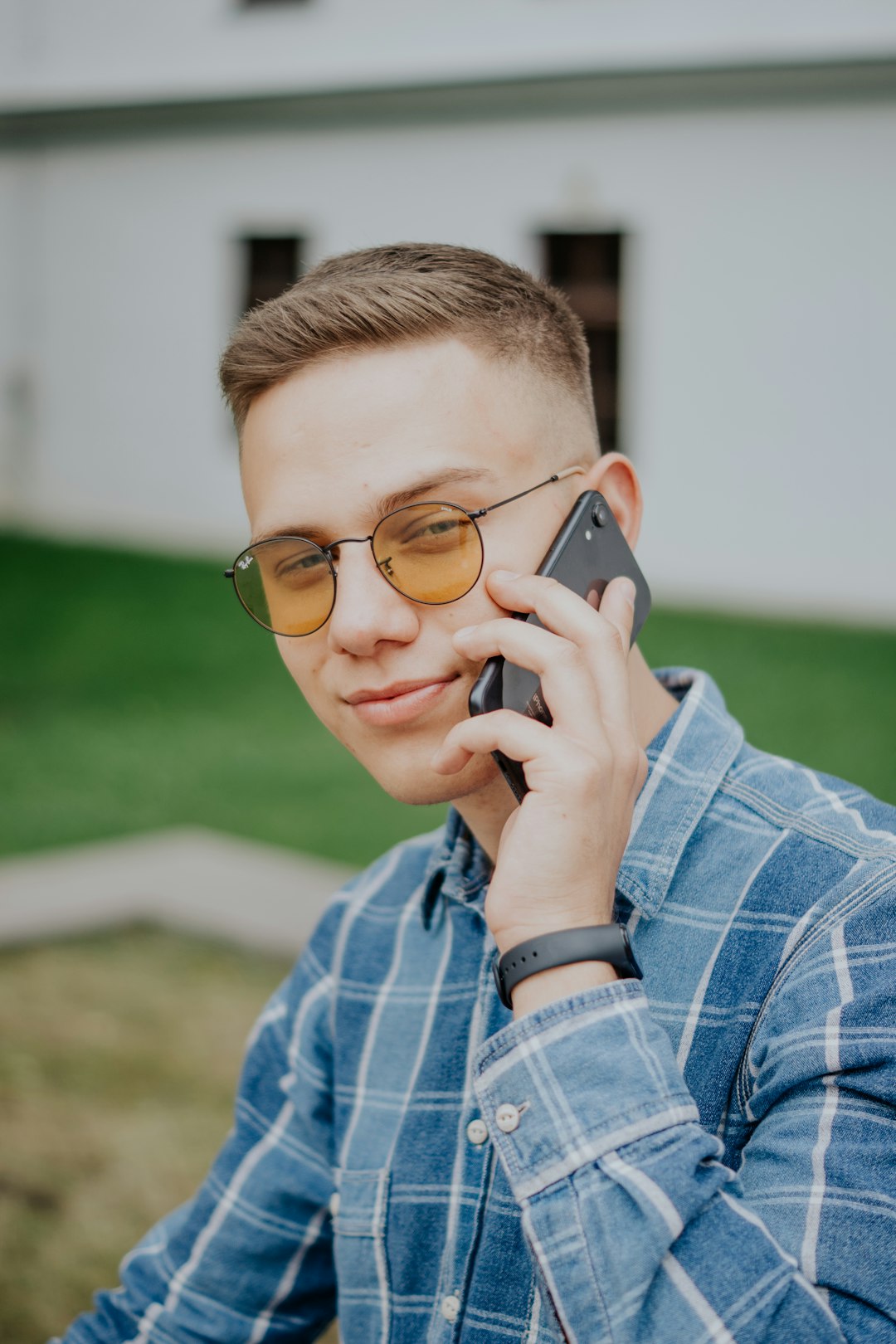
Unwanted Calls and Consumer Protection Law in Minnesota
Introduction
In the realm of consumer protection, unwanted calls have become a pervasive issue that affects individuals and businesses alike. The state of Minnesota has taken a proactive stance in addressing this challenge through specific laws designed to safeguard its citizens from intrusive telemarketing and robocalls. This article delves into the intricacies of Minnesota's approach to regulating these unwanted calls, providing a comprehensive overview of the legal framework, economic implications, and the technological measures in place to combat this nuisance. Readers will gain a thorough understanding of how Minnesota's laws compare globally, the challenges faced, successful strategies employed, and what the future may hold for consumer protection in this domain.
Understanding Unwanted-Call Law in Minnesota
Unwanted-call law in Minnesota encompasses a set of regulations that govern telemarketing and robocalls to protect consumers from harassment and fraudulent activities. These laws are part of broader federal and state consumer protection legislation, including the Telemarketing Sales Rule (TSR) under the Federal Trade Commission (FTC) and the Minnesota Do Not Call Law. The core components of these regulations include provisions for consent, disclosure requirements, opt-out mechanisms, and penalties for violations.
Historically, the proliferation of telemarketing calls led to consumer frustration and a rise in fraudulent activities, prompting states like Minnesota to enact stricter laws. These measures are significant as they aim to balance the interests of legitimate businesses with the rights of consumers to privacy and protection from deceptive practices.
Global Impact and Trends
The impact of unwanted calls transcends national borders, affecting consumers worldwide. Global trends indicate a rise in robocall technology and sophisticated scam operations. The international community has recognized the urgency of this issue, leading to collaborative efforts among countries to develop cross-border solutions and harmonize regulations. Different regions are affected differently, with some nations experiencing higher volumes of spam calls due to less stringent laws or technological vulnerabilities.
Economic Considerations
The economic implications of unwanted calls are multifaceted. On one hand, legitimate businesses suffer from the association with telemarketing scams, which can erode consumer trust and lead to a decline in sales. On the other hand, the cost of unwanted calls extends beyond lost business, encompassing the economic burden on consumers due to wasted time and potential financial losses from fraud.
Investment in call management technologies and cybersecurity measures is crucial for mitigating these costs. Moreover, the economic systems of countries with high volumes of unwanted calls may face challenges related to consumer confidence and market stability.
Technological Advancements
Advancements in technology have both exacerbated and provided solutions to the problem of unwanted calls. Robocall technologies have become more sophisticated, enabling scammers to deploy complex schemes. However, technological countermeasures such as caller ID verification, call blocking apps, and AI-driven analysis systems are increasingly employed to identify and filter out these unwanted communications. The future potential of machine learning and artificial intelligence promises even more advanced solutions to combat illegal or nuisance calls.
Policy and Regulation
Minnesota's policy framework for managing unwanted calls is part of a comprehensive approach that includes both state-specific regulations and participation in federal initiatives. Key policies include the National Do Not Call Registry, the Minnesota Do Not Call Law, and the FTC's TSR. These regulations establish clear guidelines for telemarketers, define enforceable rules, and provide consumers with tools to manage their privacy and protect themselves from fraud.
Challenges and Criticisms
Despite these measures, challenges remain. Unwanted calls persist due to technological loopholes, international criminal networks, and the evolving tactics of scammers. Consumer education remains a critical component in combating unwanted calls, as does the enforcement of existing laws. Critics argue that while legislation is essential, it must be complemented by robust technological defenses and ongoing consumer awareness campaigns to effectively address the issue.
Case Studies
Several case studies illustrate Minnesota's proactive stance against unwanted calls. One such example is the successful prosecution of a telemarketing operation that violated the Minnesota Do Not Call Law, resulting in significant fines and increased awareness of consumer rights. Another case study involves a tech startup that developed a highly effective call-blocking app, which has been widely adopted by consumers in Minnesota and beyond. These examples demonstrate the effectiveness of both legal action and innovative technology in addressing the issue of unwanted calls.
Future Prospects
Looking ahead, the trajectory of unwanted call management is likely to be shaped by technological advancements and evolving consumer behavior. The integration of AI and machine learning could revolutionize the way calls are monitored and managed, potentially reducing the volume of unwanted calls significantly. Legislative frameworks will continue to evolve, with a focus on adapting to new challenges posed by emerging technologies.
Conclusion
Minnesota's approach to regulating unwanted calls serves as a model for other states and nations. Through a combination of strict legislation, consumer education, and technological innovation, Minnesota has made significant strides in protecting its citizens from the nuisance and potential harm of unwanted calls. As the battle against these calls continues globally, the lessons learned from Minnesota's experience will undoubtedly inform future strategies and policies.
FAQs
-
What is the National Do Not Call Registry?
The National Do Not Call Registry is a list where consumers can register their telephone number to reduce telemarketing calls.
-
How do caller ID verification services work?
Caller ID verification services cross-reference incoming call information against a database of legitimate businesses and known scammers, allowing consumers to identify legitimate calls and avoid answering potential scam calls.
-
What are some common scams associated with unwanted calls?
Common scams include impersonation fraud, prize or lottery scams, debt collection scams, and investment opportunities that turn out to be fraudulent.
-
Can technology completely eliminate unwanted calls?
While technology can significantly reduce the number of unwanted calls, it is challenging to achieve complete elimination due to the evolving tactics of scammers and the potential for legitimate businesses to be incorrectly flagged.
-
What role does consumer education play in combating unwanted calls?
Consumer education is vital in teaching individuals how to recognize and avoid scams, understand their rights under Do Not Call laws, and use available technologies to manage their communications effectively.
June 20, 2025
Unwanted Call Lawyer Minnesota Expert
In Rochester, Minnesota, consumers are protected by TCPA against harassing telemarketing calls. To address unwanted phone calls, document incidents, file complaints with the FTC via their online Complaint Assistant, and consider hiring a lawyer for Unwanted call Minnesota for legal guidance and repr.......
Read more →
June 18, 2025
Unwanted Call Lawyer Minnesota Expert
Unwanted phone calls, particularly robocalls and telemarketing pitches, are a growing problem in Minnesota, reflecting national trends. To combat this nuisance, community events focused on education and awareness are crucial. These events, led by unwanted call lawyers Minnesota, empower residents wi.......
Read more →
June 16, 2025
Unwanted Call Lawyer Minnesota Expert
Unwanted calls, or robocalls, are a common nuisance in Minnesota, but state laws offer protection. Keep detailed records of disturbing calls and consider hiring a specialized lawyer for Unwanted call Minnesota to combat harassment, file complaints, and protect your rights under the Do Not Call regis.......
Read more →
June 14, 2025
Unwanted Call Lawyer Minnesota Expert
In Minnesota, "unwanted call law firms" protect residents from telemarketers and scammers through clear legal guidelines enforced by the Attorney General's Office. Social media has become a powerful ally in this fight, enabling Minnesotans to join virtual communities for sharing infor.......
Read more →
June 12, 2025
Unwanted Call Lawyer Minnesota Expert
Unwanted phone calls in Minnesota are a common problem, but state laws offer protection and solutions. Residents can block calls using smartphone settings, dedicated apps, or by registering on do-not-call lists. For persistent issues, consulting a lawyer for Unwanted call Minnesota provides tailored.......
Read more →
June 10, 2025
Unwanted Call Lawyer Minnesota Expert
In Minnesota, unwanted call law firms act as a shield against nuisance calls, enforcing do-not-call regulations and offering legal assistance for peace of mind. Combating unwanted calls requires a local task force with diverse participation from law firms, consumer protection agencies, telecom compa.......
Read more →
June 8, 2025
Unwanted Call Lawyer Minnesota Expert
Minnesota residents facing excessive or unsolicited phone calls from telemarketers should consult unwanted call lawyers Minnesota for legal guidance and protection under state regulations. Transparency in telemarketing, supported by these lawyers, is crucial for building consumer trust, preventing d.......
Read more →
June 6, 2025
Unwanted Call Lawyer Minnesota Expert
Unwanted phone calls from telemarketers and scammers are a growing problem in Minnesota, affecting 90% of residents' daily lives with stress and violations of personal space. This issue has led to many Minnesotans seeking legal help through lawyers for unwanted call Minnesota. Effective solutio.......
Read more →
June 4, 2025
Unwanted Call Lawyer Minnesota Expert
Minnesota's thriving telemarketing industry faces regulatory challenges due to stringent consumer protection laws against unwanted calls, setting a national standard for responsible practices. A specialized lawyer for Unwanted Call Minnesota is crucial for businesses and residents navigating th.......
Read more →
June 2, 2025
Unwanted Call Lawyer Minnesota Expert
Unwanted calls, regulated by state and federal laws in Minnesota, are harassing communications using an ATDS without consent. Violators face fines up to $500 per call. Consumers experiencing unwanted calls should consult a lawyer for Unwanted call Minnesota to understand their rights and legal optio.......
Read more →